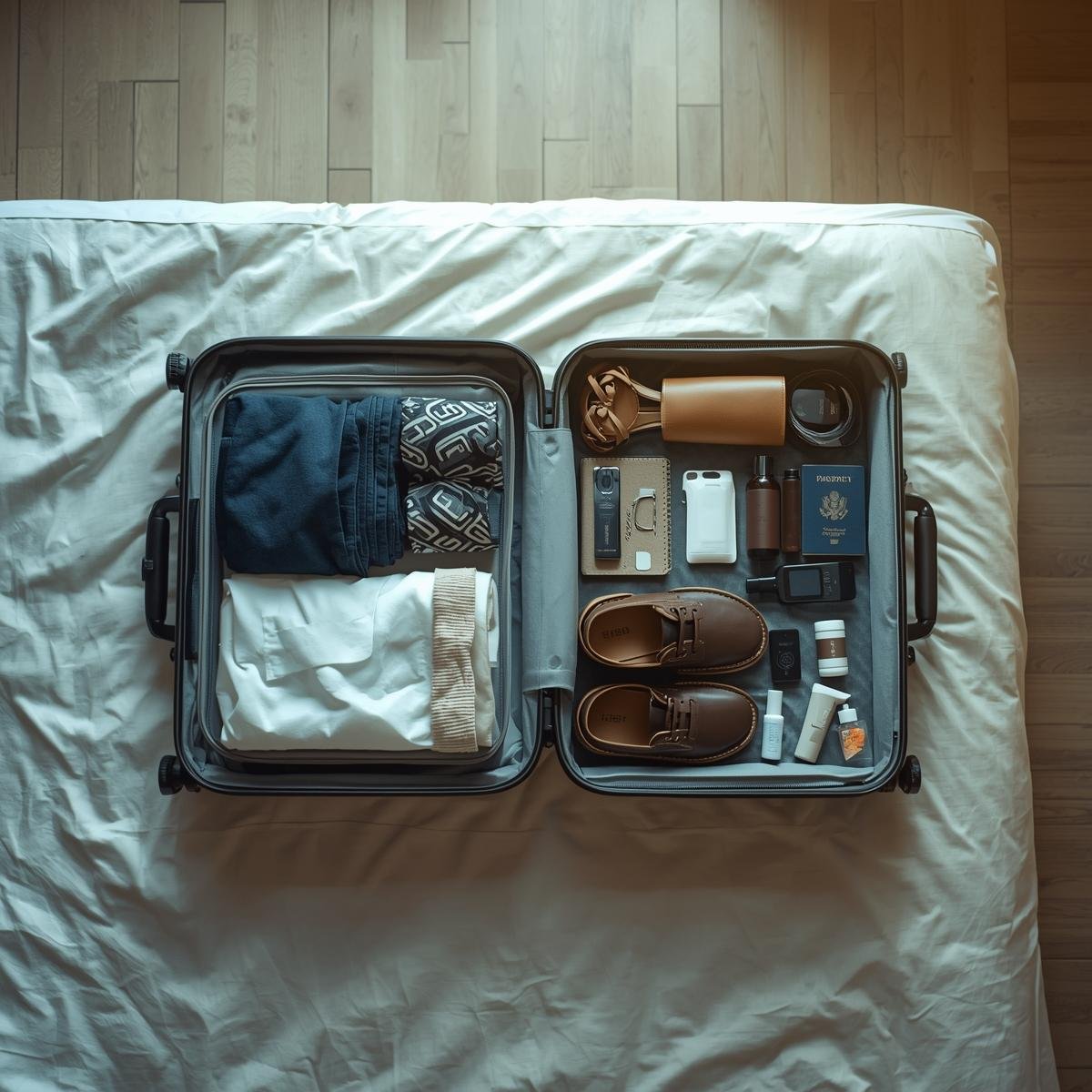

Travel safety is a major concern for people traveling for the first time. New travelers often worry about unfamiliar places, systems, and rules. While risks exist, most travel safety issues can be reduced with preparation and awareness.
This guide explains practical travel safety tips for new travelers. It focuses on planning, behavior, and decision-making that apply to any destination.
Understanding Travel Safety
Travel safety is not about fear. It is about awareness and preparation. New travelers often face risks because they are unfamiliar with their surroundings. Learning basic safety habits reduces most problems.
Safety planning should start before booking the trip.
Research Your Destination Before Travel
Research is the first step to safety.
Before traveling, learn about:
- Entry requirements
- Local laws
- Transport systems
- Common scams
- Emergency contact numbers
- Areas to avoid
Use official government and tourism sources.
Keep Important Documents Secure
Documents are critical for travel.
Follow these steps:
- Carry passport securely
- Store digital copies online
- Keep printed copies separate
- Avoid handing documents to unauthorized people
Never leave documents unattended.
Use Travel Insurance
Insurance protects you when problems occur.
Ensure coverage includes:
- Medical emergencies
- Hospital treatment
- Evacuation
- Trip disruption
Travel insurance is essential for new travelers.
Share Your Travel Plans
Someone at home should know your plans.
Share:
- Flight details
- Accommodation information
- Daily itinerary
- Emergency contacts
Regular check-ins improve safety.
Stay Aware of Your Surroundings
Awareness reduces risk.
Practice these habits:
- Observe people and environment
- Avoid distractions in crowded areas
- Trust your instincts
- Leave situations that feel unsafe
Avoid using your phone excessively in public spaces.
Use Safe Transport Options
Transport safety is important.
Choose:
- Licensed taxis
- Public transport with clear routes
- Ride-hailing apps where available
Avoid accepting rides from strangers.
Protect Your Money and Valuables
Financial safety prevents stress.
Best practices include:
- Use multiple payment methods
- Keep cash in separate locations
- Avoid showing large amounts of money
- Use hotel safes if available
Do not carry unnecessary valuables.
Avoid Common Travel Scams
Scams target new travelers.
Common scams include:
- Fake assistance offers
- Overcharging taxis
- Distraction theft
- False tour guides
Verify services before paying.
Be Careful With Accommodation Choice
Accommodation affects safety.
Choose places with:
- Secure access
- Staff presence
- Clear location details
- Positive recent reviews
Avoid isolated areas for your first trip.
Follow Local Laws and Rules
Local laws may differ from home.
Learn about:
- Dress requirements
- Public behavior rules
- Photography restrictions
- Alcohol regulations
Breaking local laws can lead to serious consequences.
Health Safety for New Travelers
Health issues can disrupt travel.
Prepare by:
- Checking vaccination requirements
- Carrying necessary medication
- Avoiding unsafe food and water
- Knowing hospital locations
Carry prescriptions with you.
Stay Connected During the Trip
Communication improves safety.
Ensure access to:
- Mobile internet
- Emergency numbers
- Offline maps
- Accommodation contacts
Keep devices charged.
Limit Night Travel in Unfamiliar Areas
Night travel increases risk.
Reduce risk by:
- Staying in well-lit areas
- Using reliable transport
- Avoiding empty streets
- Returning early when unsure
Plan evening movements in advance.
Dress to Blend In
Standing out can attract attention.
Avoid clothing or accessories that draw unnecessary focus. Dress in a way that aligns with local norms.
Be Careful When Sharing Information
Oversharing creates risk.
Avoid sharing:
- Travel plans with strangers
- Accommodation details publicly
- Personal information online
Use privacy settings on social platforms.
Keep Emergency Information Ready
Prepare for emergencies.
Save:
- Embassy contact details
- Local emergency numbers
- Insurance contact information
Write them down in case your phone fails.
Handle Problems Calmly
Problems may occur despite planning.
If issues arise:
- Stay calm
- Seek official help
- Contact your embassy or insurer if needed
- Follow legal procedures
Calm decisions improve outcomes.
Learn Basic Local Communication
Basic communication helps safety.
Learn:
- Simple phrases
- Emergency words
- Address pronunciation
This helps in urgent situations.
Avoid Risky Behavior
Risky actions increase danger.
Avoid:
- Excessive alcohol use
- Illegal activities
- Unsafe shortcuts
- Ignoring local advice
Good judgment reduces risk.
Trust Official Sources
In uncertain situations, trust:
- Police
- Embassy staff
- Airport and transport officials
- Hotel staff
Avoid relying on unverified advice.
Review Safety Daily
Safety awareness should be ongoing.
Each day:
- Review plans
- Assess surroundings
- Adjust activities if needed
Flexibility improves safety.
Learn From Each Trip
Safety skills improve with experience.
After each trip:
- Note what worked
- Identify risks faced
- Improve future planning
Experience builds confidence.
Final Thoughts
Travel safety for new travelers depends on preparation, awareness, and responsible behavior. Most risks can be avoided by planning ahead and making informed decisions.
This guide provides a clear foundation for traveling safely and confidently for the first time.