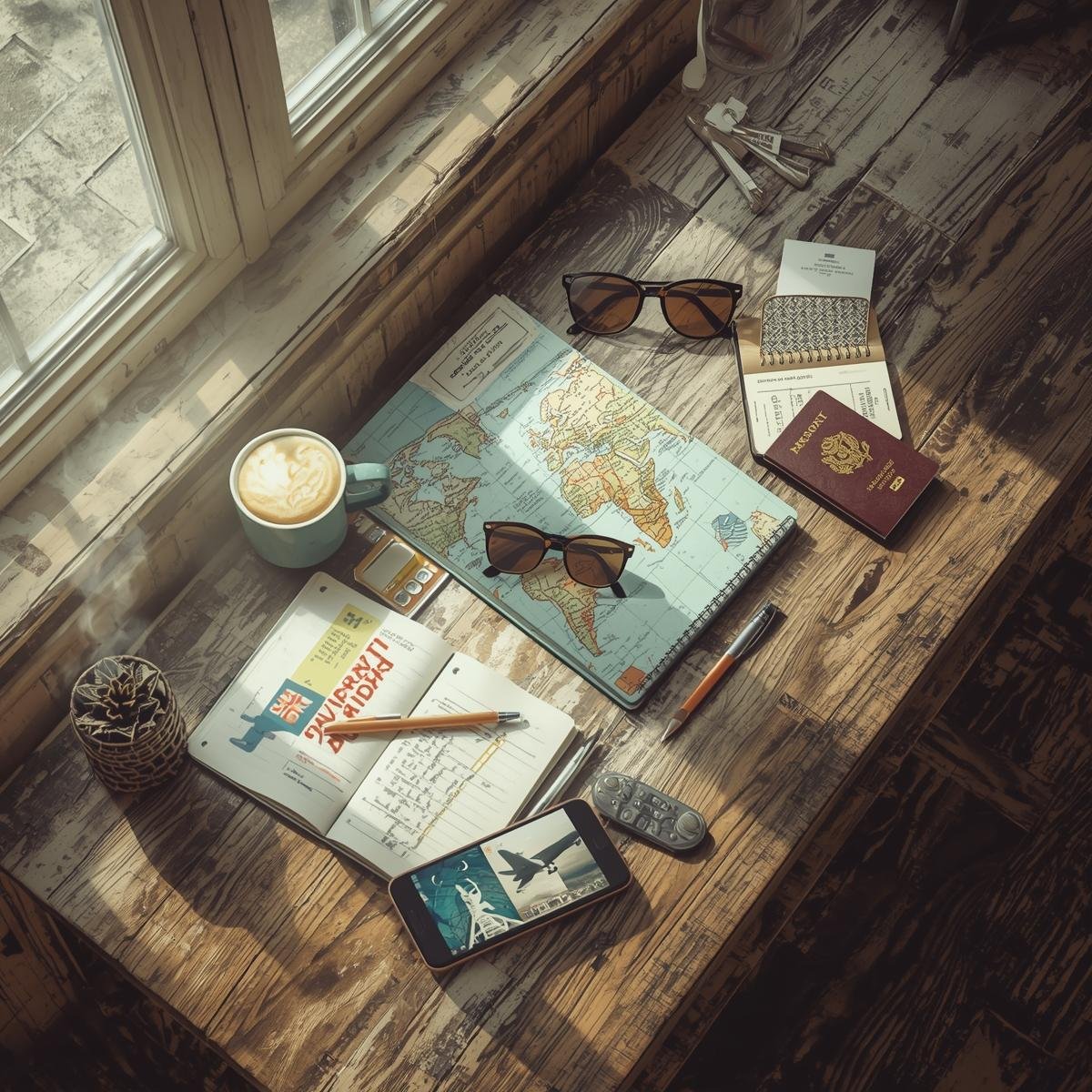
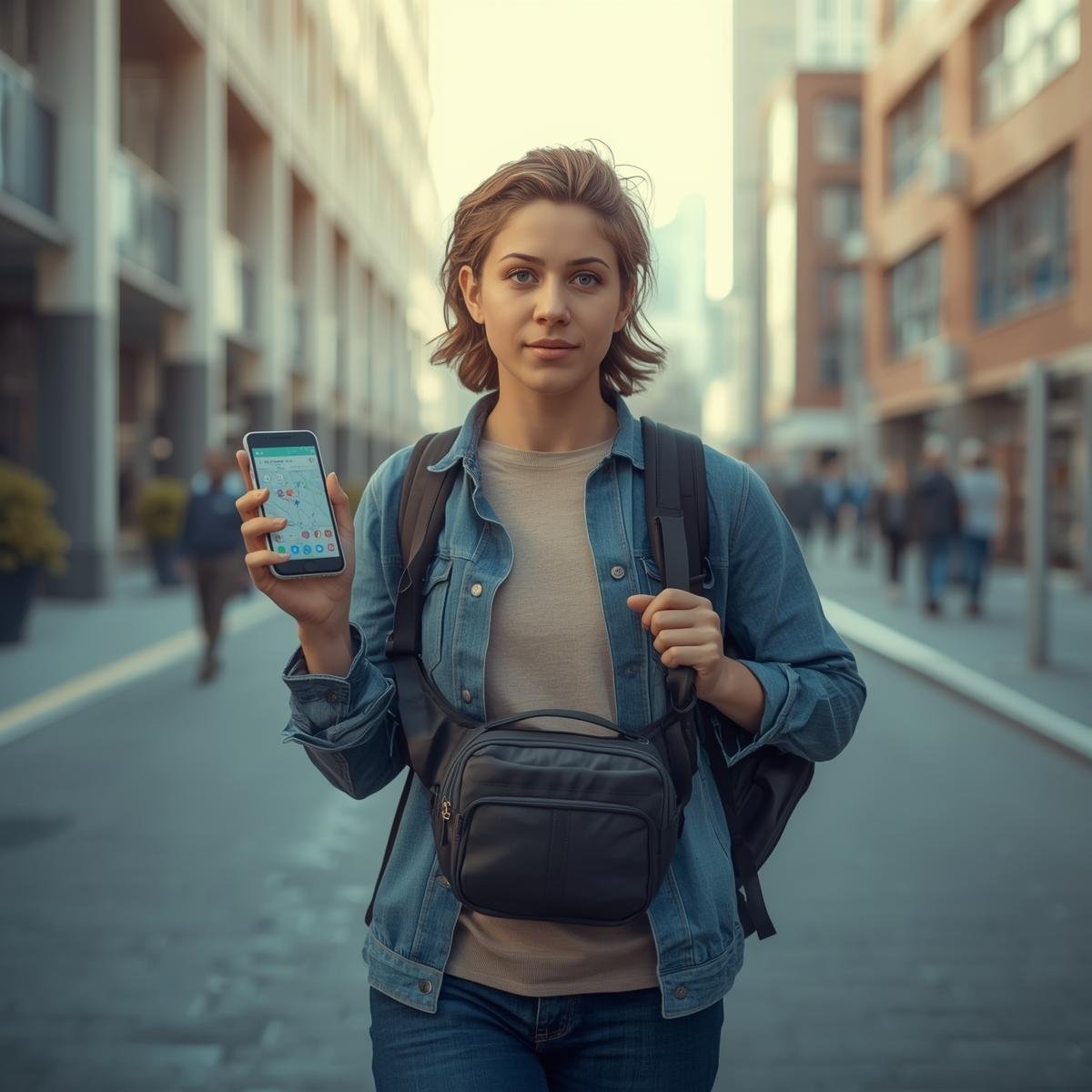
Solo travel means traveling alone without companions. Many people choose solo travel for flexibility, personal growth, or independence. While solo travel offers freedom, it also requires planning and responsibility. Safety and preparation are more important when traveling alone.
This guide explains how to plan a solo trip, stay safe, manage risks, and travel confidently. It is written for first-time and beginner solo travelers.
Understanding Solo Travel
Solo travel does not mean isolation. It means taking responsibility for decisions, safety, and planning. When traveling alone, there is no one else to solve problems for you. Preparation reduces stress and risk.
Solo travel requires awareness, organization, and adaptability.
Choosing the Right Destination for Solo Travel
Destination choice matters more for solo travelers.
Consider these factors:
- Visa process clarity
- Transport availability
- Language familiarity
- Internet access
- Emergency services
- Safety records
Avoid destinations with complex entry rules or limited transport if it is your first solo trip.
Research Before Booking
Research is the foundation of safe solo travel.
Research the following:
- Entry rules
- Local laws
- Common scams
- Transport systems
- Cultural expectations
- Emergency contacts
Use official sources and recent traveler experiences.
Passport and Visa Preparation
Solo travelers must manage documents carefully.
Ensure:
- Passport validity meets requirements
- Visa type matches travel purpose
- Copies of documents are stored digitally
Carry documents securely and never leave them unattended.
Travel Insurance for Solo Travelers
Travel insurance is essential for solo travel.
Insurance should cover:
- Medical emergencies
- Evacuation
- Trip cancellation
- Theft or loss
Without companions, insurance becomes your safety backup.
Planning a Solo Travel Budget
Budget planning prevents problems during solo travel.
Include:
- Flights
- Accommodation
- Daily expenses
- Emergency funds
Avoid spending all funds early in the trip. Always reserve emergency money.
Booking Flights as a Solo Traveler
Flight booking rules remain the same for solo travel.
Tips include:
- Choose reliable airlines
- Avoid short layovers
- Check airport transit requirements
- Save confirmations offline
Arrive early at airports to reduce pressure.
Choosing Safe Accommodation
Accommodation choice is critical for solo travelers.
Look for:
- Secure entry systems
- Staff presence
- Clear location details
- Verified guest reviews
Avoid isolated locations for your first solo trip.
Planning Transport in Advance
Transport planning improves safety.
Before arrival:
- Learn how to get from the airport
- Identify public transport options
- Download transport apps
- Know average fares
Avoid unlicensed transport services.
Packing for Solo Travel
Pack light and practical.
Essential items include:
- Documents and copies
- Phone and charger
- Power adapter
- Basic medication
- Clothing suitable for local rules
Avoid carrying valuables you do not need.
Managing Money While Traveling Alone
Money management is important when alone.
Best practices:
- Use multiple payment methods
- Keep cash in separate places
- Avoid showing large amounts of money
- Track expenses daily
Inform your bank before traveling.
Staying Connected
Staying connected improves safety.
Ensure access to:
- Mobile internet
- Emergency contacts
- Offline maps
- Accommodation details
Share your location or itinerary with someone you trust.
Solo Travel Safety Basics
Safety starts with awareness.
Key safety rules:
- Observe surroundings
- Trust instincts
- Avoid risky areas
- Follow local laws
- Keep personal information private
Do not overshare travel plans with strangers.
Handling Common Solo Travel Risks
Common risks include:
- Theft
- Scams
- Illness
- Transport issues
Reduce risk by planning, staying alert, and avoiding shortcuts.
Health Preparation for Solo Travel
Health issues are harder alone.
Prepare by:
- Checking vaccine requirements
- Carrying prescriptions
- Knowing hospital locations
- Learning emergency numbers
Avoid activities beyond your ability level.
Cultural Awareness for Solo Travelers
Respecting local culture helps safety.
Learn:
- Appropriate clothing rules
- Behavior expectations
- Communication style
- Public conduct laws
Respect builds trust and avoids conflict.
Eating Alone While Traveling
Eating alone is normal in many places.
Tips:
- Choose busy restaurants
- Eat during common meal times
- Avoid isolated places at night
Food planning helps manage energy and health.
Meeting People Safely
Solo travel does not mean avoiding people.
Safe ways to meet others include:
- Group tours
- Classes
- Hostels with common areas
- Local events
Avoid meeting strangers in private locations.
Handling Emergencies Alone
Prepare for emergencies.
Steps include:
- Saving embassy contact details
- Knowing insurance claim steps
- Keeping emergency funds
- Staying calm and focused
Preparation improves response.
Using Technology for Safety
Technology supports solo travel.
Useful tools include:
- Navigation apps
- Translation apps
- Ride-hailing apps
- Expense tracking apps
Download tools before travel.
Avoiding Overconfidence
Confidence is important, but caution is necessary.
Avoid:
- Ignoring local advice
- Taking unnecessary risks
- Traveling while exhausted
- Breaking local rules
Balance independence with awareness.
Managing Loneliness
Loneliness can occur during solo travel.
Ways to manage it:
- Maintain routines
- Stay connected with home
- Join group activities
- Take rest days
Loneliness often passes with structure.
Returning Home Safely
Before returning:
- Reconfirm flights
- Pack documents securely
- Check baggage rules
- Arrive early at airport
Keep records of expenses and documents.
Reviewing the Solo Travel Experience
After returning:
- Review what worked
- Note safety lessons
- Improve future planning
- Adjust comfort limits
Each solo trip improves confidence.
Final Thoughts
Solo travel requires responsibility, planning, and awareness. When done correctly, it allows full control over time and decisions. Safety does not depend on fear but on preparation.
This guide provides a structure for planning and completing a solo trip with confidence and control.