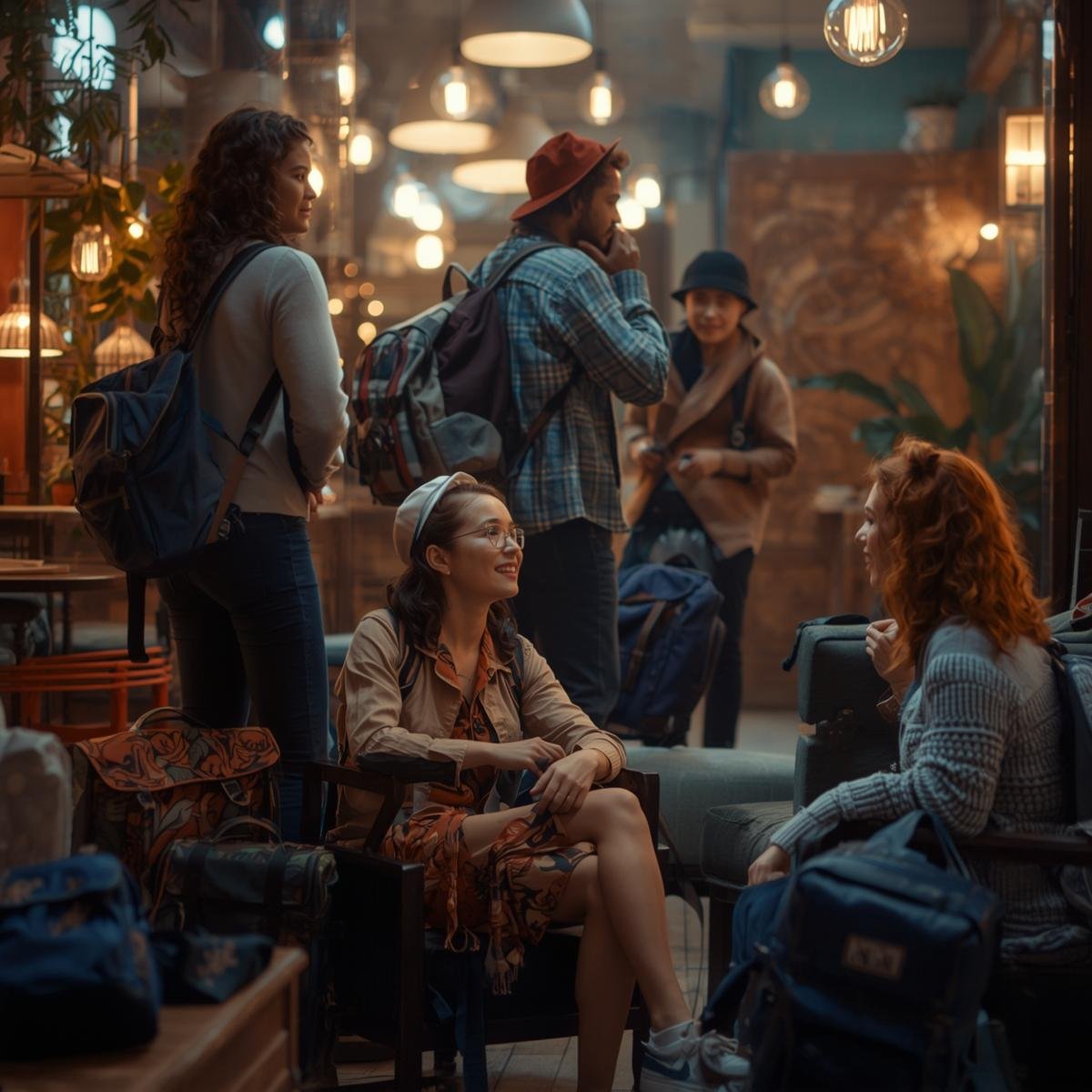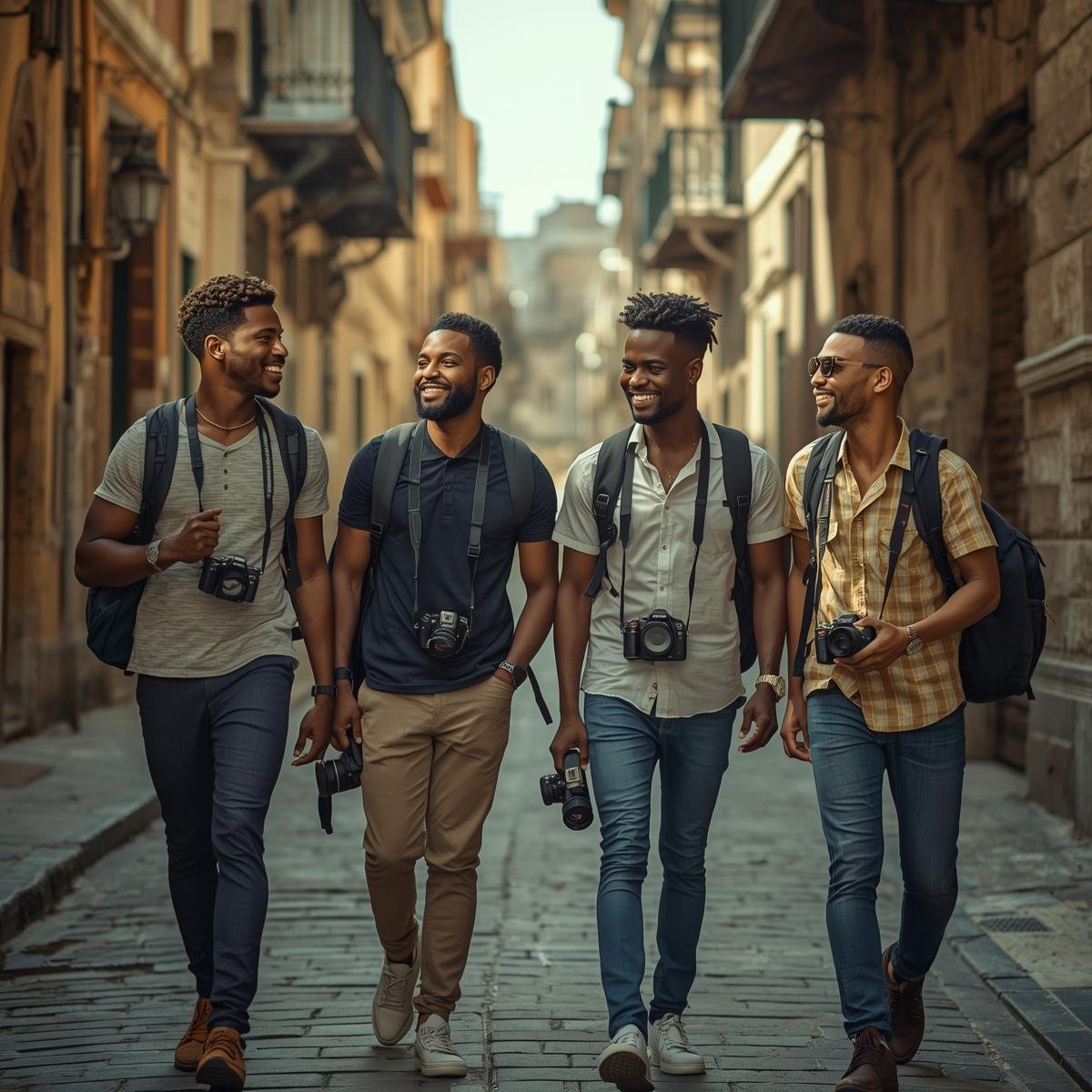
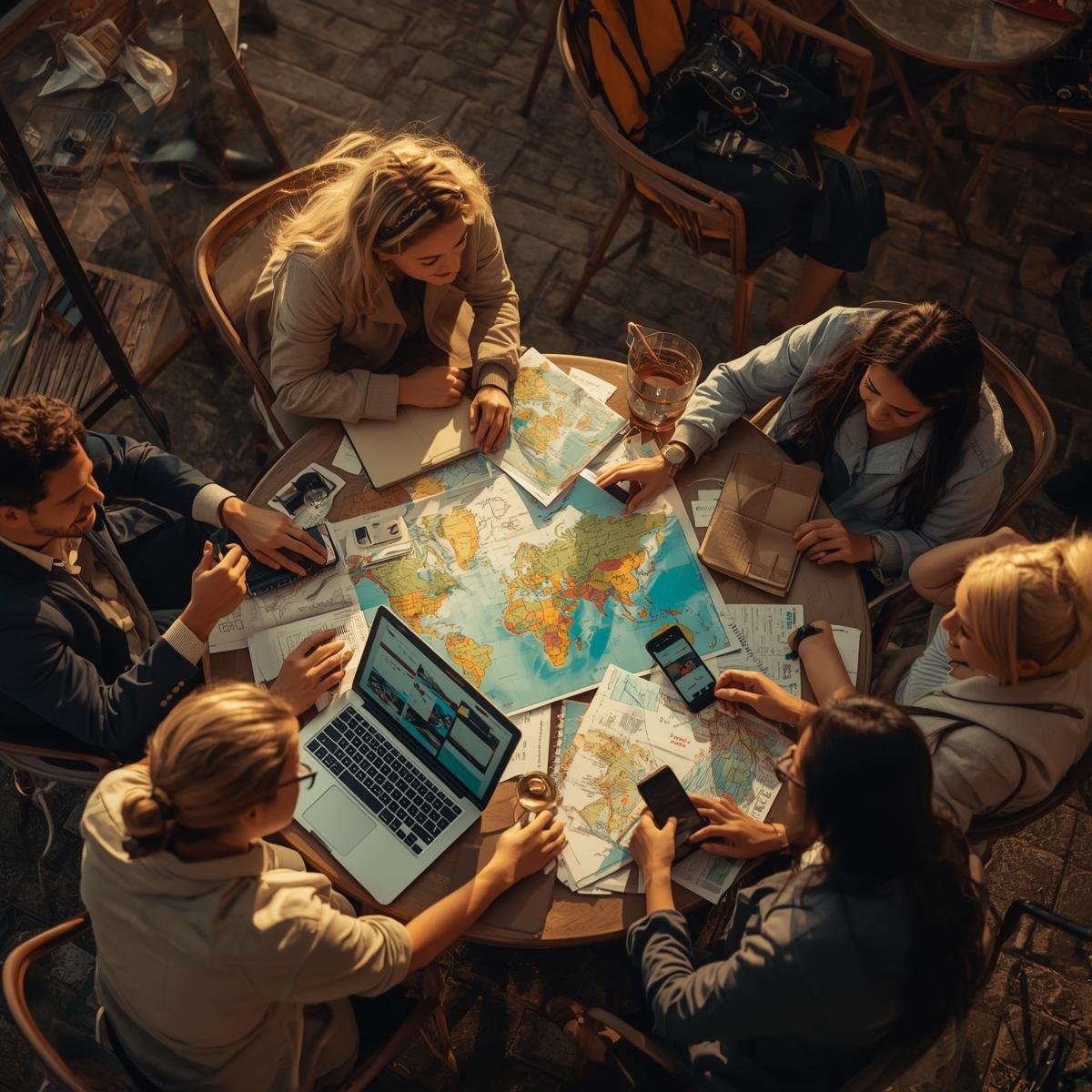
Traveling in a group requires coordination, planning, and communication. Group travel can be efficient and enjoyable if responsibilities, schedules, and budgets are clearly organized. Without planning, conflicts and delays are common.
This guide explains how to plan group travel successfully, including preparation, budgeting, itinerary creation, and managing group dynamics.
Define the Group Goals
Before planning, clarify the purpose of the trip.
Consider:
- Leisure, adventure, or cultural activities
- Travel duration and dates
- Interests and expectations of each participant
Clear goals prevent misunderstandings later.
Assign Roles and Responsibilities
Group organization reduces stress.
- Assign a leader or coordinator
- Delegate tasks such as booking, research, or finance
- Share responsibilities evenly
Defined roles keep planning efficient.
Set a Budget
Budgeting prevents disputes.
- Determine overall budget for each participant
- Account for accommodation, transport, meals, and activities
- Include contingency funds for emergencies
- Agree on payment methods and schedules
A clear budget ensures transparency.
Choose a Destination Together
Group consensus is important.
- Discuss options considering accessibility and cost
- Evaluate safety, weather, and local services
- Consider interests of all participants
Destination choice should balance practicality and preferences.
Plan the Itinerary
A shared itinerary keeps the group organized.
- Outline daily activities and timelines
- Include free time for personal exploration
- Share itinerary in advance with all participants
- Allow flexibility for adjustments
Structured planning reduces confusion.
Book Accommodation Strategically
Accommodation affects logistics and group dynamics.
- Choose properties with group-friendly options
- Verify capacity and amenities
- Consider proximity to attractions and transport
- Ensure safety and convenience
Booking early secures availability and better rates.
Organize Transportation
Transportation planning reduces delays.
- Compare options: flights, buses, trains, or rental cars
- Share transport schedules with all participants
- Factor in luggage space and comfort
- Confirm group check-in procedures
Clear coordination ensures smooth movement.
Establish Communication Channels
Effective communication is critical.
- Use group messaging apps
- Share emergency contacts
- Maintain a schedule for check-ins
- Assign a point of contact for decisions
Good communication prevents confusion during the trip.
Manage Conflicts and Expectations
Disagreements may occur in groups.
- Discuss preferences in advance
- Respect personal space and choices
- Use compromise when possible
- Address issues calmly and promptly
Proactive management maintains harmony.
Safety Considerations
Safety is more manageable in groups.
- Keep track of each member
- Know local emergency numbers
- Have contingency plans for missed transport or illness
- Share insurance and medical information if necessary
Preparedness reduces risk.
Packing and Preparation Tips
Efficient preparation saves time.
- Coordinate shared items like toiletries or snacks
- Encourage packing light for mobility
- Prepare essential documents and digital copies
- Remind participants of local regulations and customs
Collective preparation avoids last-minute problems.
Financial Management in Groups
Handling money requires clarity.
- Decide on shared versus individual expenses
- Use apps for tracking payments
- Agree on tipping and group fees
- Ensure transparency for shared purchases
Good practices prevent disputes.
Enjoying Group Travel
A well-planned group trip can enhance the experience.
- Participate in shared activities
- Respect individual downtime
- Capture group memories together
- Support each other during challenges
Positive collaboration strengthens group cohesion.
Final Thoughts
Group travel requires coordination, clear communication, and organization. Proper planning ensures efficiency, safety, and enjoyment for all participants. Following this guide makes group trips smoother, reduces stress, and maximizes shared experiences.