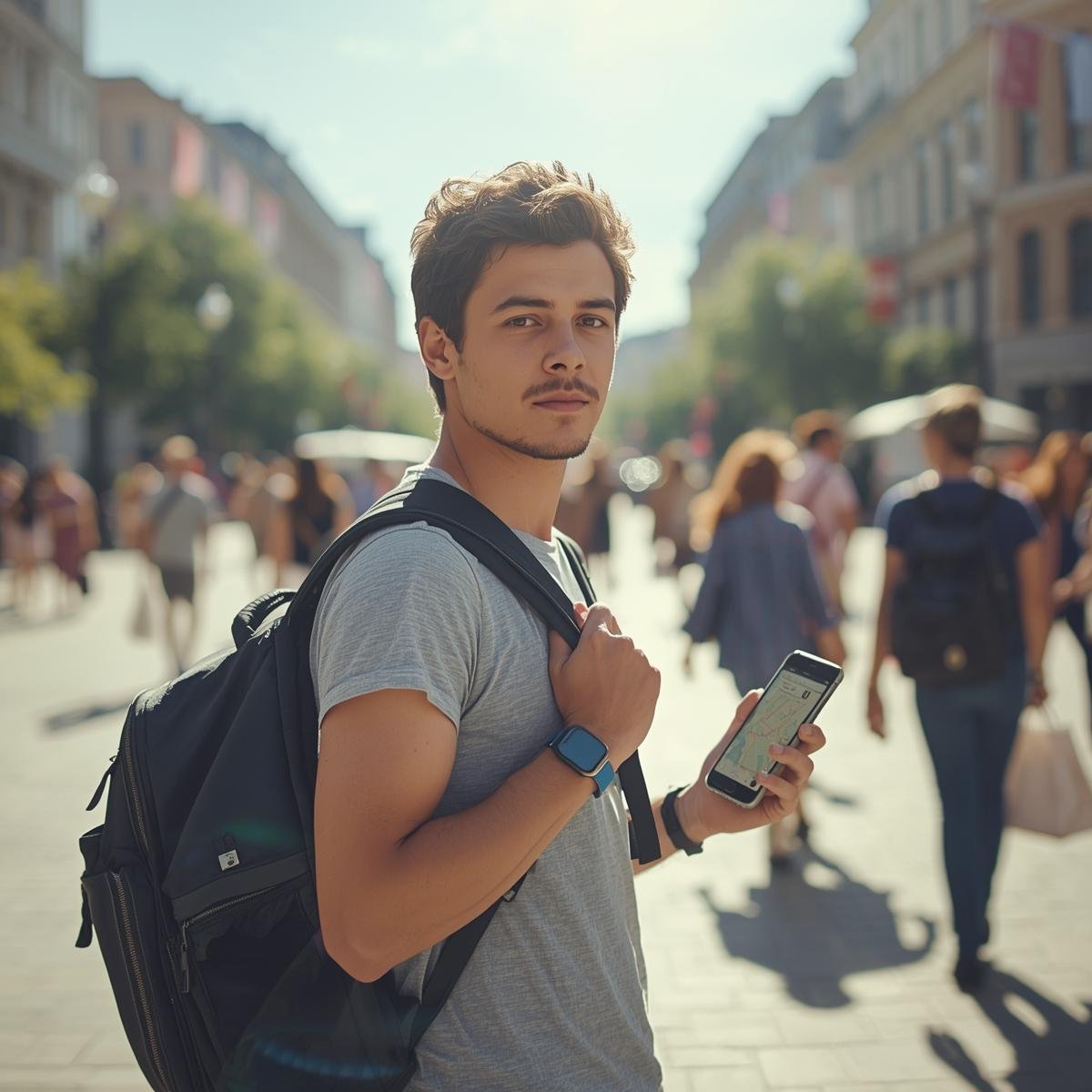
Traveling alone can be rewarding but also challenging for first-time travelers. Proper planning, awareness, and preparation reduce risks and improve the experience. Solo travel requires self-reliance, organization, and safety considerations.
This guide provides practical tips for beginners traveling alone, covering planning, safety, budgeting, and personal management.
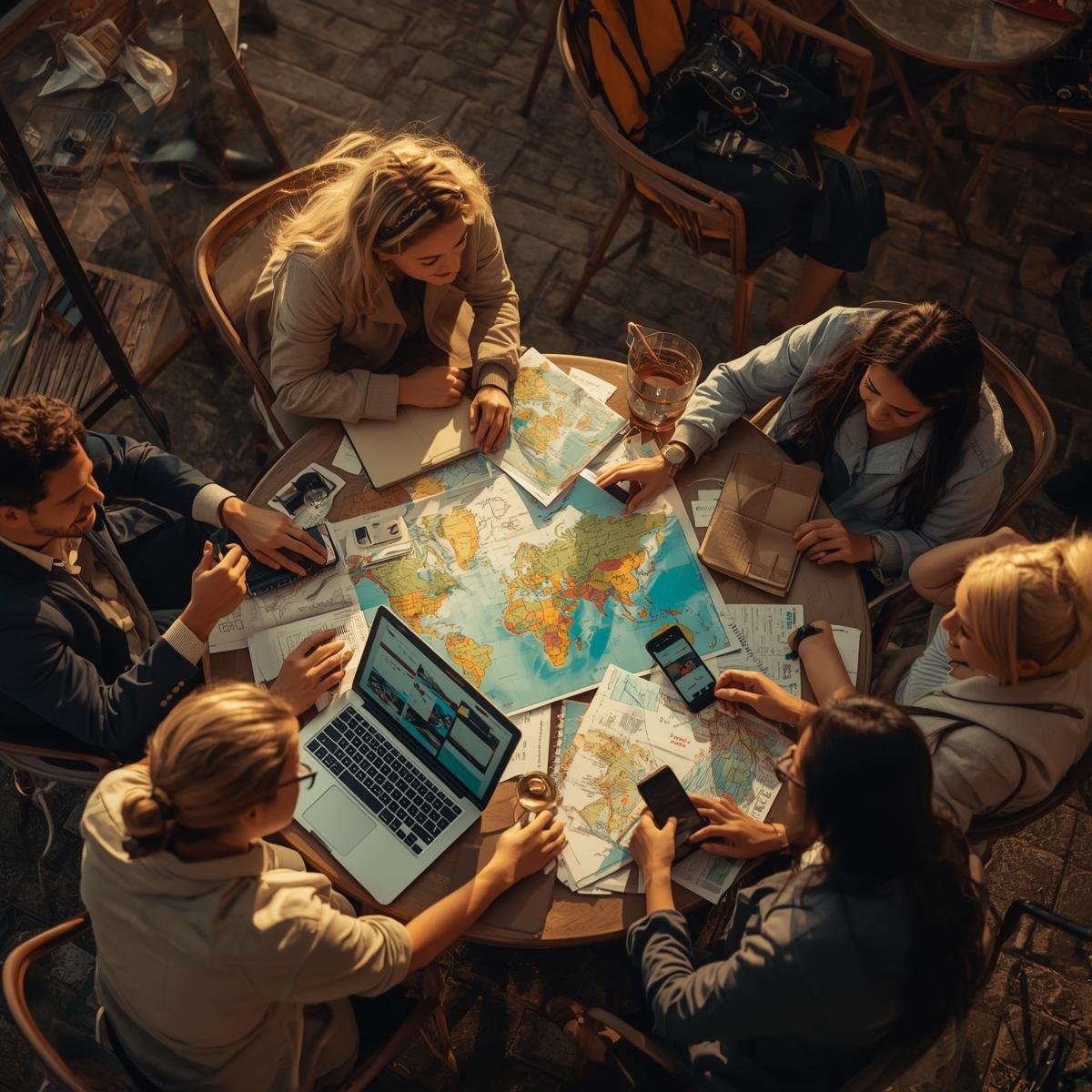
Research Your Destination
Before traveling alone, research is essential.
Consider:
- Entry requirements and visas
- Transportation options
- Safety records of neighborhoods
- Local customs and laws
- Emergency contact numbers
Understanding the destination reduces uncertainty.
Plan Accommodation Carefully
Accommodation choice affects safety and convenience.
Tips for solo travelers:
- Choose verified listings or well-reviewed hotels
- Prefer locations near transport hubs
- Avoid isolated areas, especially at night
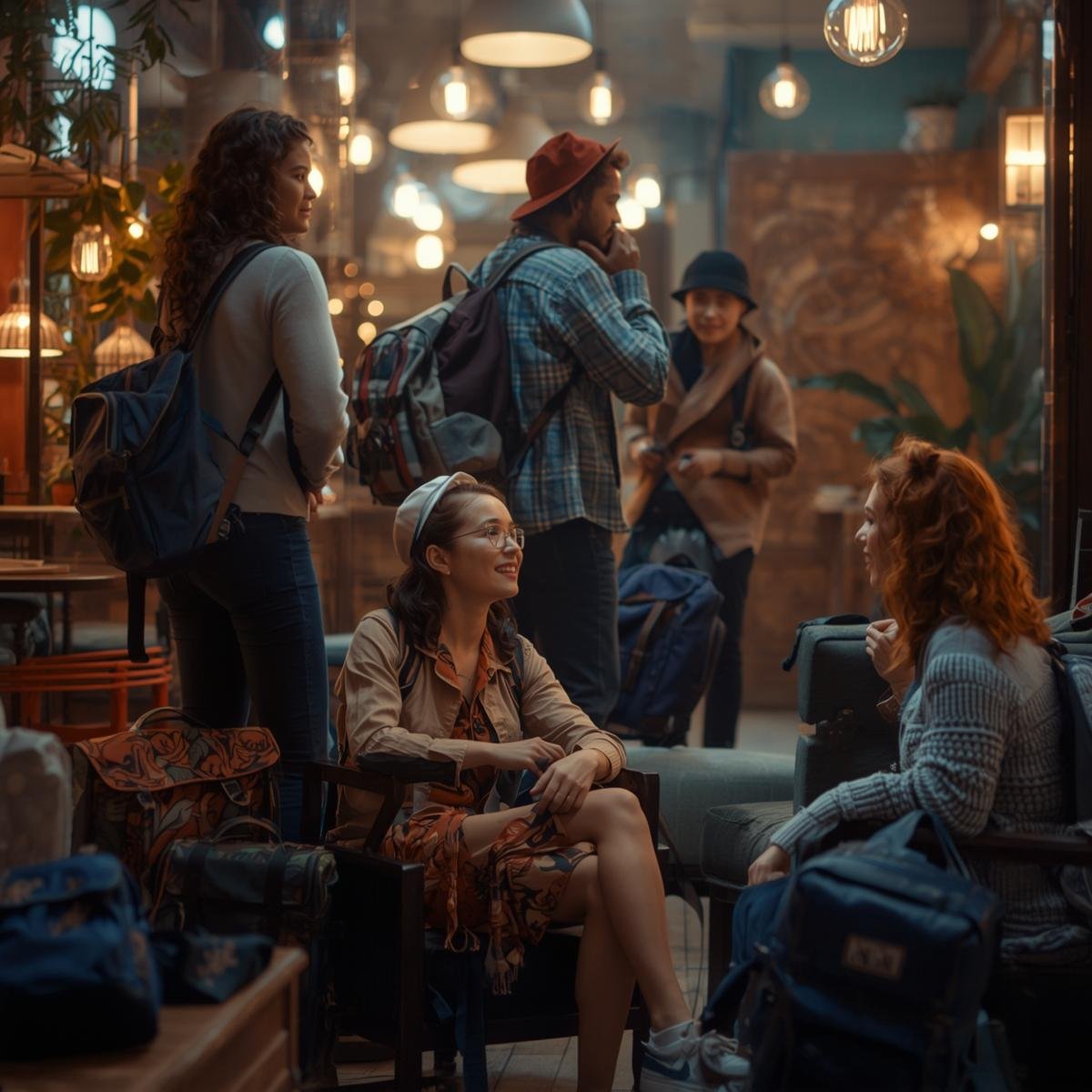
- Consider coliving or hostels for social opportunities
Secure accommodation simplifies solo travel logistics.
Keep Important Documents Safe
Documents are critical when alone.
Steps include:
- Carrying a secure passport and ID
- Keeping digital copies online
- Separating copies from originals
- Using a travel wallet or pouch
This protects against loss or theft.
Plan Your Daily Routine
A routine helps manage time and energy.
Include:
- Work, sightseeing, or activities
- Meals and hydration
- Rest and recovery
- Backup plans for delays
Routine improves efficiency and reduces stress.
Stay Connected
Communication improves safety.
- Share itinerary with someone trusted
- Maintain access to mobile internet
- Save local emergency contacts
- Schedule regular check-ins
Connectivity allows support if needed.
Budgeting and Money Management
Budgeting is crucial for solo travel.
- Track daily expenses
- Keep cash in multiple locations
- Use cards with low foreign fees
- Reserve emergency funds
Proper budgeting prevents financial issues on the road.
Safety Precautions
Solo travelers should prioritize safety.
- Avoid risky areas, especially at night
- Use licensed transport
- Limit alcohol or risky behavior
- Trust instincts in unfamiliar situations
Caution reduces exposure to threats.
Meeting People Safely
Social interaction can enhance solo travel.
- Use hostels, coworking spaces, or tours
- Attend local events or classes
- Avoid meeting strangers alone in private spaces
Safe interactions prevent potential problems.
Prepare for Emergencies
Unexpected situations occur when traveling alone.
- Know the nearest hospital or police station
- Keep insurance and medical info accessible
- Maintain emergency funds
- Stay calm and follow plans
Preparation increases confidence and safety.
Enjoying Solo Travel
Being alone allows flexibility.
- Explore at your own pace
- Choose activities of interest
- Take time to reflect and learn from experiences
Solo travel builds independence and decision-making skills.
Final Thoughts
Solo travel is manageable with planning, awareness, and self-discipline. Beginners benefit from preparation and safety measures. By following these tips, travelers can maximize the experience while minimizing risks.